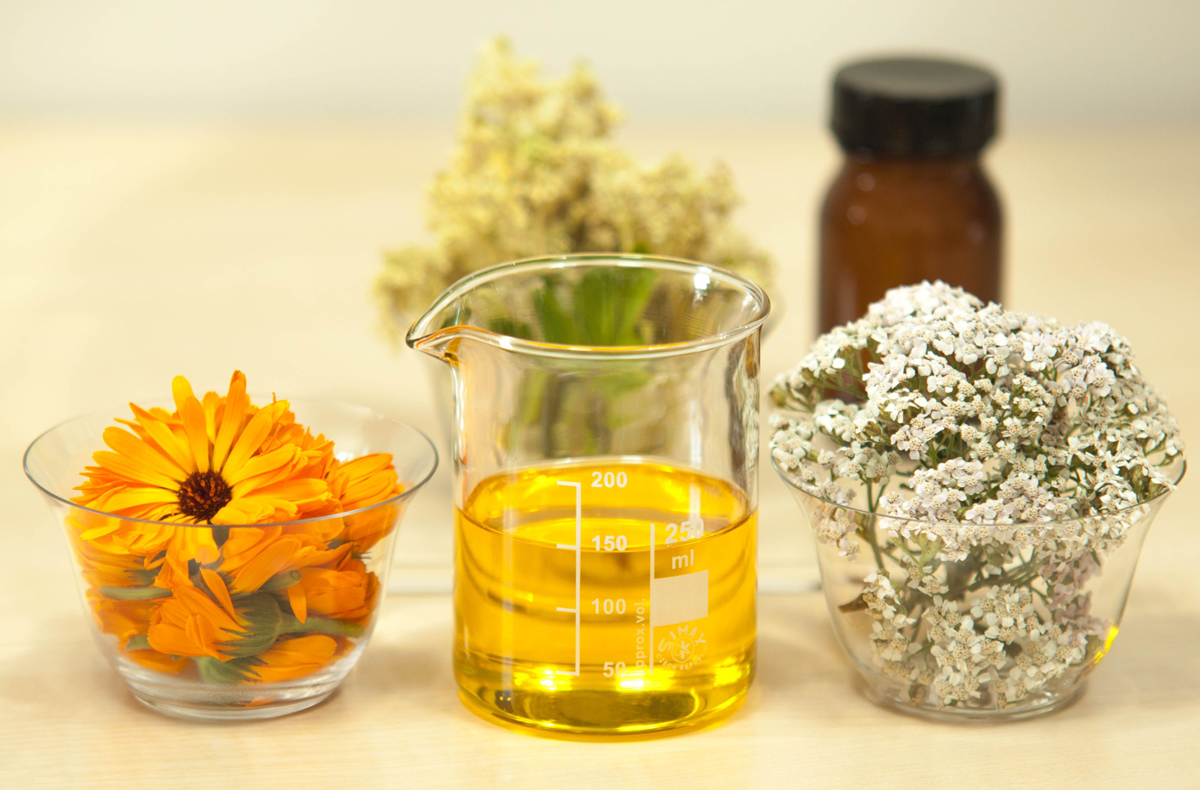
The use of essential oils is far removed from the hippie days of peace, love and Flower Power or the province of massage therapists and practitioners of alternative medicine. Essential oil traces were found in King tut’s tomb, and their use stretches back as early as 3000 B.C. The global market spending on essential oils is closing in on nearly $12 billion annually. But before you spend your money, here are two important topics to consider when it comes to essential oils:
Which oils are the best ones for my basic collection?
There are a number of essential oils that play a role in good health; here are five starter oils and what they do:
Lavender: Known for its sleep-inducing properties, lavender is also used as an analgesic, antifungal and antiseptic. The best lavender, Lavandula angustfolia, comes from Bulgaria, though other varieties are grown in France, England and Spain. Put a few drops on your pillow before going to bed as a sleep aid, or in your body lotion to help heal dry, cracked skin.
Peppermint: The amazing smell is usually associated with the winter holidays, but the aroma is a brain-booster and tonic for an upset stomach or headache. It’s pain-relieving properties also work well for muscle soreness after a hard workout.
Lemon: The clean, purifying scent is perfect for creating organic DIY household cleaning products. Use these products on kitchen counters, sinks, cutting boards, knives or any surface that comes in contact with raw foods. A drop of lemon essential oil on each temple clears your mind and banishes fatigue and exhaustion, too.
Tea tree: Its antibiotic, antifungal and antiseptic attributes make this oil useful to speed healing of wounds and scar tissue. If you have a cough or cold, a few drops of tea tree oil on a cloth compress placed on the chest or throat helps loosen and expel mucus and lessen the cold’s duration.
Rosemary: A few drops of rosemary in your shampoo or conditioner will improve the thickness and strength of your hair. A rosemary oil scalp massage will easy a dry, flaky scalp. And like tea tree oil, rosemary oil can help with the respiratory issues associated with a cold.
Is my essential oil the real thing?
Here’s how to know if what’s in the bottle is pure or extended with nut, seed or vegetable oil:
The feel: Put a few drops between your fingers and rub them together. Most oils should feel a little slippery, but not slick or greasy; there should be no resemblance to cooking oil, baby oil or petroleum-based products.
The price: Some of the more common oils, such as lavender and rosemary, are decent bargains because they are abundant. But the more hard-to-find oils, such as lemon balm, jasmine and rose will be expensive, and a cheap price tag is likely a sign that what’s on the label and in the bottle don’t match.
The spot test: Place a single drop of oil on white printer paper and let it dry. If you see a ring on the paper, that’s a sign of adulterated oil. The exception to this rule would apply to very heavy essential oils, such as sandalwood, patchouli, vetiver and chamomile; these four will leave a ring because of their consistency, not because of added ingredients.
The language on the label: Know your Latin names and look for them on the label. Just seeing the common or English name may be a sign that the contents are nothing more than a perfumed essence, rather than the real thing.
The container: True essential oils are packed in dark blue or amber glass, to shield the contents from sunlight and prevent the scent from impacting anything else stored with it. And note the temperature of the store selling the products: it should be cool, since heat also degrades essential oil quality.
The pour and the seal: You should find a reducer plug under the cap when you open the bottle. This prevents air from getting inside the bottle and allows only a small amount of essential oil for use each time you pour. When it comes to true essential oils, less is better and a little does go a long way.
The origin: Look for the USDA seal, try to buy organic and if possible, find a dealer offering “wild-crafted” products. This label indicates the plants used were wild-harvested rather than farmed, and less likely to contain pesticides.
Open Eye Wellness offers pure health and wellness products from Nature’s Sunshine, Nerium International’s incredible skin products, Zyto Compass Scanning for a complete and accurate picture of your health issues and comprehensive consultations for weight loss, healthy eating and exercise to reach and maintain your optimal health.