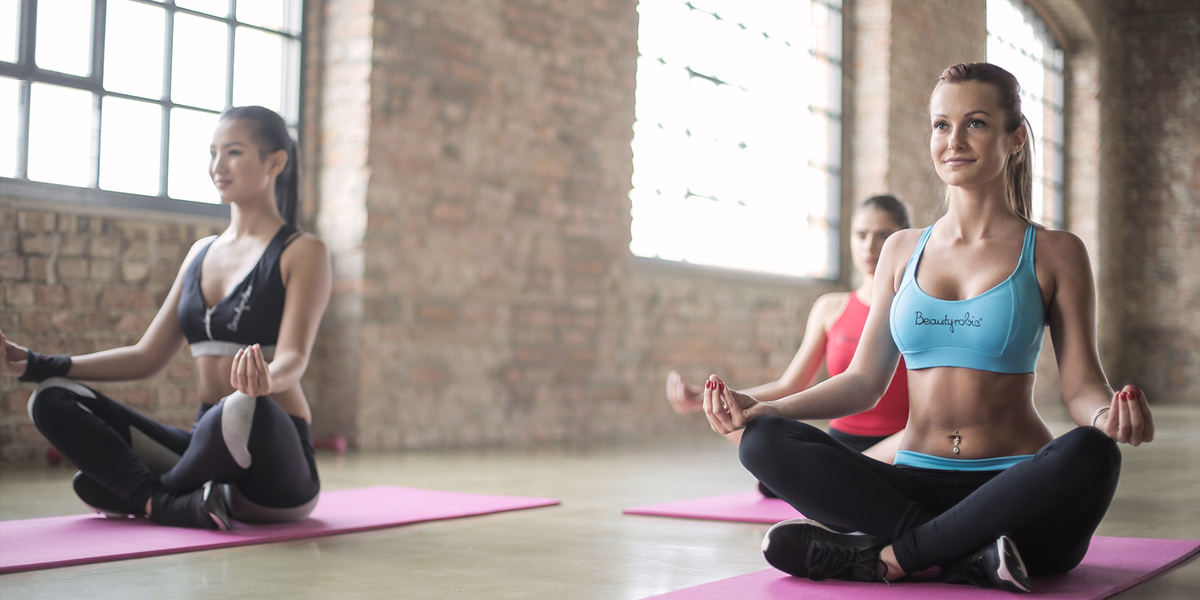
If you’ve always wanted to try yoga, but haven’t gotten started, here’s some motivation: Yoga has been proven to alleviate many health problems. Here’s a look at just a few of them:
Yoga Makes Menopause More Manageable
The journal Menopause published a study by Yuko Kai that showed yoga decreases depression and other side effects of menopause. In fact, it reported, “No adverse events, including increased hot flashes, were reported by the participants during the study period.” Yoga Journal recommends a number of poses for menopause relief, including the big toe pose, the bridge pose, and the downward-facing dog pose.
Yoga Helps Asthmatics Breathe Easier
The journal Asthma published a study that showed yoga leads to a reduced need for medication, fewer attacks, and fewer symptoms when an attack does occur. Pairing stretches with breathing and medication helps, too: Another study published in the International Journal of Yoga found: “Breathing exercises (pranayama) … improved [asthma patients’] lung function … and should be a regular part of therapy.” Pranayama is done by practicing breath control during certain poses; the study found that it opened up airways and helped participants expel more air.
Yoga Could Banish Your Backache
You’ve probably heard of tension headaches, but did you know when back muscles tighten due to stress it can cause a tension backache? Fortunately, yoga is known to alleviate tension-related backaches. One report from NPR states that a yoga class for back pain can be just as effective as physical therapy. Many animal poses can help back pain, including the dolphin, the cat, and the cow, among others. The study behind NPR’s report has provided a guidebook that you may find helpful.
Yoga May Improve Your Memory
Yoga can help improve problem-solving and memory abilities, especially as you get older. One study found that older adults did better on problem-solving and memory tests after doing gentle yoga three times a week. In fact, both yoga and meditation have been found to reduce pre-Alzheimer’s cognitive impairments. The Indian Yoga Association recommends knee-to-head, Sarvangasana, Padmasana, Paschimottanasana, and Bhujangasana poses to improve memory.
Yoga Might Help with ED
Many men struggle with ED, and it’s fairly commonplace for medications to be prescribed as treatment. But, before reaching for a pill, men should consider trying some yoga poses. The Journal of Sexual Medicine published a study that found men with ED tripled their stamina by doing yoga for just one hour a day for 12 weeks. The lotus pose, the child’s pose, and the Downward-Facing Dog are a few positions to consider.
Yoga Can Soothe You to Sleep
Yoga increases relaxation and provides a sense of calmness that can help combat insomnia. The trick to using yoga for sleep is to choose the right form as some forms, are more energizing (having the opposite effect). According to Johns Hopkins Medicine: “Better styles for pre-sleep are hatha yoga (which focuses on body position) and nidra (which focuses on breathing and more restorative poses, such as lying and sitting postures).” The August 2016 issue of Prevention recommends the child’s pose, the supine twist, and the cat-cow as sleep-friendly poses, among others.
Yoga May Minimize Migraines
As the American Migraine Foundation points out, a lot of research shows that reducing stress levels can help improve migraines. Since yoga reduces stress, it only stands to reason that it would be helpful for migraine sufferers. The AMF recommends taking an in-person class with a teacher so they can help you modify any uncomfortable poses, but if you want a sneak-peek, check out the Yoga International suggested yin sequence for headaches. And, Yoga Journal has a roundup of the 16 most calming poses–and when it comes to stress-relief… the calmer, the better!