As we age, our bodies go through varying metabolic stages. You may remember as a child being able to eat vats of mac’n’cheese and craving sugar as if it were a food group, something that would make most adults balk, but children also have very little appreciation for subtle healthy flavors like mushrooms or baked fish. As a teenager, most people go through cycles of being hungry all the time to fuel the drastic body changes and growth spurts and picky eating as the metabolism shifts. Another major change occurs somewhere in the mid-twenties as the body settles into its adult mode, replacing the need for fats and sugars with a desire for what is classically thought of as the “well-balanced meal” of lean proteins, vegetables, and starches in quantities based on how much physical labor you do each day.
Metabolism Slows Down
Finally, somewhere around 50, your body begins to slow down. You have less energy to do a lot of labor and in response, your body also needs less food. This doesn’t just mean that you need to cut back on your normal portions, seniors often find that they need to completely rebalance their diets to provide more vitamins and minerals and fewer energy-fueling starches. The less energetic your lifestyle becomes, the fewer calories you will be able to ‘burn off’ with rigorous activity
Healthy Digestion
It’s also important to remember that what you eat has to go through your digestive system. What you eat needs to agree with your stomach and be comfortable all the way through or you’ll regret it “down the line”. This means that whatever you eat, it should contain the right balance of spices, fats, and perhaps most importantly, fiber. Fiber acts as a scrubbing agent and can clean residual food particles from your digestive tract which makes you lighter and healthier, but too much can be dangerous and uncomfortable. Therefore you want a small amount of fibrous foods like vegetables, cereals, oatmeal, and beans or lentils, with every meal.
Don’t Forget to Exercise
Many seniors struggle with small portions, having lived most of their lives as physically active adults with matching appetites. The good news is that you can still eat larger portions and stay healthy as long as you match those portions with physical activity. The more active you are, the more food you need and can effectively digest. This is a good time to mention that a digestive system is a machine run by the hips. Humans were made to walk everywhere and doing so is like turning the gears for your insides. If you want to eat more and feel good doing it, consider taking long walks around your neighborhood or the track of your local gym. If your hips or knees aren’t up to it, you might consider swimming or low-impact stationary biking instead. Many seniors also use an active hobby like gardening to keep their bodies moving and work up a healthy sweat a few times a week, which always makes a hearty meal more enjoyable and helps keep your muscles strong.
Building a Healthy Diet
So what exactly should you be eating? As a senior, it’s all about nutrition. While the food groups mattered in your middle adult years, they matter much more now. You don’t just need meat, you need a variety of lean meats to provide the right secondary mineral balances beyond the protein itself. A serving of any vegetable is no longer sufficient, now you need to ensure that all the vegetable colors and textures are included in your diet. Milk isn’t just a good idea, it’s practically necessary to help maintain your bone health, something most seniors should be worried about. As your appetite diminishes, it may be tempting to save the few calories you’ll intake only for your favorite foods, but if you don’t achieve the right nutritional balance, your body won’t reward you with the energy and self-maintenance you need for a long and happy retirement.
The Right Proteins
Protein is a great way to load up on energy-rich foods without adding too many calories. If you like to snack, foods that are high in protein will keep you alert and energetic all day while minimizing the risk of weight gain from traditional snack foods. Aim for lean red meat, poultry, and fish as the center of each meal, though beans, eggs, and nuts are also excellent sources of healthy protein. Fish in particular also has the right kind of fats and oils to keep you healthy without raising cholesterol.
All the Vegetables
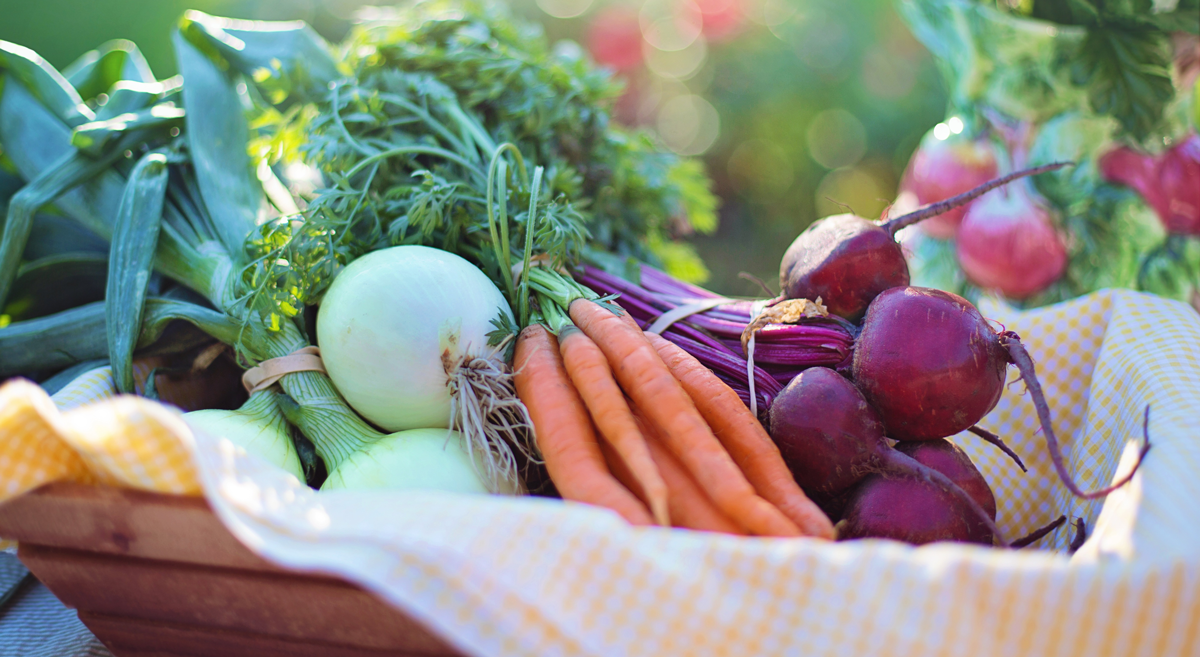
Everyone has favorite vegetables and those they wouldn’t touch with a with a ten-foot fork and you’re more than welcome to maintain these preferences in your old age. However, if your favorites are a very limited list, it may be time to try a few new things. Try to include five or more servings of fruits or vegetables each day, including various colors and textures to ensure that you get the right balance of vitamins and minerals.
Healthy Carbs
Carbohydrates provide energy and burn cleanly as long as you’ve got the right amount of them. Make sure to eat at least a small portion of carbs with each meal and go for higher fiber options whenever available. Leave the skins on your potatoes, stick with whole wheat bread, and don’t be shy about cereals (oats and barley, not Lucky Charms) and grains.
Finally, we know that a lot of unhealthy things are both delicious and motivating. Retiring doesn’t mean that you have to stop eating cake or salty snack foods, as long as you do so in moderation. Try to keep your empty-calorie servings down to less than once a day and in smaller portions and remember to exercise more to balance yourself out. With these helpful nutrition tips, you should be all set for a long and healthy retirement.