Blog

  • Make Muscle Memory Work for You

    Make Muscle Memory Work for You

    As much as we wish to see ourselves as unique individuals in control of our lives, there is more automation to our bodies than meets the eye. Muscle memory is the best example of the machine that our body is capable of becoming.

    Your Brain and Your Brawn

    While muscle memory is a popular term to use for motor learning, the phrase is more than just a catchy image. It is the cerebellum, located in the back of the brain, that is responsible for tapping into and activating muscle memory.

    It makes sense that the cerebellum would be the locale for establishing muscle memory. The cerebellum is also responsible for helping you to maintain your balance and equilibrium, in addition to coordinating your voluntary muscle movements.

    Memory in Motion

    There is a certain artistic beauty to memory in motion. Think of the experienced pianist who can daydream about mundane duties to be performed later on, all the while playing a complex work that demanded hours of dedicated practice.

    Similarly, the gymnast who spends years learning how to get into a handstand and then to maintain it as naturally as standing upright. The many hours of frustration, shaking shoulders, and lost balances ultimately morphs into a posture that appears to be as normal as sitting in a chair or relaxing on the couch.

    This is the idea of taking an action or motion and learning it so deeply that it becomes a memory, something easily and readily performed without conscious control beyond the decision to start.

    Trusting Muscle Memory

    Whether it involves arts, sports, or even daily activities, muscle memory goes to work without us realizing it most of the time. Interestingly, when we learn to trust muscle memory, we become more efficient beings than when we insist upon relying upon brute force and manual control.

    The easiest way to throw off another person is to ask them to think about what they are physically doing at any given moment.

    Try to consciously control your breathing. Decide when you will inhale and when you will release that breath. Commit to being aware of breathing for just five minutes.

    Are you surprised to find yourself unable to focus upon such a simple task as breathing for merely 300 seconds? Did you instead start making shopping lists, think about last night’s dinner, and make plans for the upcoming weekend?

    If so, congratulations! This proves you are completely human, with a perfectly functioning mind that wanders like a kitten in a room filled with catnip toys.

    The reason your mind went on vacation is that breathing is a natural function. Of course, we can hold our breath, take in large gulps of air, and perform other fantastic feats of breath control. We just do not need to control it, because we trust our body to do an outstanding job of that on its own.

    The Benefits of Muscle Memory

    We like to believe that multitasking is a fairly new concept. The truth is that most animals are amazing at managing more than one job at a time.

    In the wild, a prowling tiger is approaching a prey while also calculating the possible paths of escape its intended victim may attempt. It also needs to “know” the terrain it is running across, making slight adjustments for boulders, shrubs, trees, and hills it will encounter.

    Meanwhile, the tiger has likely not eaten for a week or longer. So it is hungry and in a weakened state. It has one primary focus: to find sustenance and gain much needed proteins.

    None of the above are conscious thought processes of the tiger. It is a condition of being aware of providing for its basic needs. She is in an automatic mode of operation, a state she goes into regularly.

    Whether or not she succeeds this time, she knows it is the only way to survive. That is the core benefit of muscle memory.

    The Gift That Muscle Memory Bestows Upon Humankind

    It is generally agreed that humans are the most intelligent creatures on Earth. (At least among humans there is this consensus!)

    Being conscious offers many benefits, as is evidenced by the incredible advances our species have made in our short history. We travel across the surface of our planet faster than any other animal, we communicate globally using sophisticated equipment, and we imagine and create different realms of reality (think books, music, and film).

    But beyond this magical component of being human is the still and always miraculous capacity of muscle memory. We can even say that it is thanks to our muscle memory that we have freed out minds to truly soar and discover worlds beyond our imagination.

    Because our bodies are subconsciously serving our basic needs, we became creatures of leisure. And this extra time turned us into creatures of curiosity, excited at the wondrous discoveries waiting to be uncovered.

    Meanwhile, our bodies keep on ticking, in unconscious gratitude to our muscle memories.

  • How to Face Your Fears Instead of Running From Them

    How to Face Your Fears Instead of Running From Them

    Fear is paralyzing. It makes us forget who we are and what the world around us is. It is like a fence that hems us in on all sides. But the fence can be climbed. Here are six things to remember that will help you face your fears like a boss!

    1. Remember that fear is nothing to be ashamed of. Everyone has their own personal fears and doubts. It is the way that we deal with these fears that shows who we really are, not the fears themselves. Accept the fact that you will be afraid at times in your life and feel free to share your fears with others. Your fears are just another test, another way for you to build your courage and prove your strength.

    2. Remember that you are different from other people. You may feel the urge to compare yourself to others, realizing that you are weak in areas where they are strong. But remember that, although they may not struggle with the same fears you do, they have their own weaknesses. You are not a coward just because you have fears that someone else may not have. Instead, you are a unique and beautiful person who is learning to conquer his or her own personal struggles.

    3. Remember that sometimes wisdom is the better part of valor. Fear, at it’s most basic level, is meant to protect us. It simply gets out of hand. Assess your situation and try to identify what is truly dangerous. Your fear can actually be an asset to you, as you begin to understand what you should avoid. Your fears may have a purpose – they may be trying to teach you something – and it is up to you to find out what it is.

    4. Remember that what you might call failure is really an opportunity to learn. Underlying almost any fear is the fear of failure in life. But failure isn’t even failure when we approach it rightly. Sure, we may try something and it might go wrong. But if we learn from the situation and come out wiser on the other side, the “failure” is a truly valuable experience. What you might call failure is simply one more stepping stone on your path of victory!

    5. Remember that by not facing your fears, you miss out on beautiful experiences. Our fears keep us from so much. We shy away from things that will make us feel the least bit uncomfortable, little realizing what we are missing out on. Giving in to our fears robs us from both inward and outward beauty. Facing our fears opens up a whole new world.

    6. Remember that you are as strong as you allow yourself to be. In the end, you have the make the decision to face your fears instead of running from them. It is not going to be easy. But we promise that you have it in you. As you take the first step in facing your fears, you will find the courage to take the second step and the third. You are perhaps the only one keeping you from being as strong as you want to be. So put your chin up, and look your fears in the face.

    At Open Eye Wellness, we understand that “fearless” is a myth. Fear is something that each and every person struggles with. Some will crumble and fall. But others will gain the victory. These are the people who are willing to fight and willing to learn. These are the people who are willing to fail and try again. These are the people who believe that they can do it and take a step forward. We want you to be that person!

  • How Does Journaling Helps build Self Awareness

    How Does Journaling Helps build Self Awareness

    There’s nothing like a journal to help a person see just who he or she really is. Many famous people kept journals. Thomas Jefferson, Charles Darwin, Ralph Waldo Emerson, and Winston Churchill walked around with notebooks to record their every day thoughts. Susan Sontag is said to write things in her journal that she could not say to people’s faces. These famous people were busy recording things that were meaningful to them.

    Journals vs Diaries:

    A journal is not quite like a diary. Diaries are bound to dates. The concept of a diary comes from the concept of datebook. The first definition of “journal” is a newspaper, a gazette, works containing recordings (of course, quite often what are labeled “diaries” are really “journals). Many people are repelled by the idea of a diary–writing down the trivial events of their days. They can be attracted to the idea of dissecting and untangling the incredibly complex things that pass through their minds every day.

    People write journals, speaking to a personal future, some even in the hope that some future sympathetic soul will read what they have written to discover some hidden value in it, that they themselves could not see, or weren’t permitted to see, in their own time. You could put it as one blogger did,

    “What a journal allows you to do is to have a ‘vehicle for my sense of selfhood.’”

    Journals and Growth:

    A journal is a safe-haven that can soothe you, sadden you, motivate you, allow you to reflect and make you love yourself for who you really are. Most people realize that daily life in a complex, competitive, driven, social environment sometimes buries them, drives them further and further from who they are deep down. A journal is a constant, always there for you, stabilized by the continuity of your experience and your memory.

    Turning Thoughts into Written Words:

    Writing your thoughts is a way of amplifying them and forcing them into an intelligible form. It is something like talking to yourself when the mental environment is too noisy. Writing is a challenge because the logical format as you see words spread on paper is not as jumbled as the way ideas and impressions flow through your mind. Writing improves memory by purifying the stream of ideas. That  was one of the reasons writing came into existence, to meet an important human capacity. Writing makes ideas sharable, even if you don’t share them.

    When you put things on paper you have to order them, clarify them, and solidify what you are thinking. As novelist, Virginia Wolf observed in one of her journal entries, when she re-read her old volumes, she found the significance of things to lie in places where she never saw it before. In his analysis of dreams, Freud found that the mind compresses symbols together, so that one image can signify a complex and multi-leveled story.

    Journaling, Introspection, and Meditation:

     Meditation and journal writing are both time-out practices. The surface of our lives is in constant motion and we are driven, sometimes uncomfortably by the rapid and continuous flow–the buzzing confusion (as Henry James called it). Writing requires that you sit separate from the flow of life and thought so you can view it in safety. It is a chance to document our practices, to reflect on meanings, to release longings and questions. Sometimes journaling takes the form of drawing or even music, depending on how your emotions emerge.

    The combination of meditation and journaling is a natural fit. These practices represent a practical use of introspection. When you look deeply enough, you find how valuable, subtle and beautiful your complex, layered world of sensation, memory and thought really are.

  • Alternative Treatments for Migraine Headaches

    Alternative Treatments for Migraine Headaches

    One in ten people suffers from migraines. Most migraine sufferers know firsthand how debilitating these headaches can be. According to the Migraine Research Foundation, the condition is a neurological disorder that involves neural pathways and brain chemicals.

    These throbbing headaches are recurring, usually affecting one side of the brain.  Patients experience additional symptoms involving the gastrointestinal system (nausea and vomiting), and vision (temporary blindness, scrambled sight, bright sparks, and lights).

    Sufferers never know when they’ll strike. Migraine headaches can last several hours, days, or even months. For some unlucky sufferers, they can turn into a chronic condition.

    Although you can’t always prevent a migraine headache, it’s possible to identify triggers and reduce their frequency.

    If you’re a migraine sufferer, OpenEye Wellness has a detailed guide to help you manage your painful migraine days.

    Migraine Symptoms

    According to the Mayo Clinic, patients can experience their first migraines during childhood, adolescence, or early adulthood. The majority of sufferers are women.

    These painful headaches have four stages: prodromal, aura, headache, and post-drome. Not all sufferers experience these stages.

    • Stage 1 – Prodromal: The prodromal phase begins two days before a migraine. Individuals suffer from constipation, mood changes, a stiff neck, fatigue, and thirst.
    • Stage 2 – Aura: This stage happens immediately before a migraine. Aura involves visual phenomena like bright lights and vision loss. Physical symptoms include pins-and-needles sensations, numbness, or jerking muscles.
    • Stage 3 – A Migraine: The attack lasts four to 72 hours. Sufferers experience pulsating headache pain, light sensitivity, vomiting, blurred vision, and light-headedness.
    • Stage 4 – Post-Drome: The final phase is the post-drome. Some individuals feel euphoric; others drained. Individuals feel confused, moody, weak, and dizzy after a headache ends.
    Go to the emergency room if you have:
    • An abrupt, severe headache.
    • A headache with a fever, mental confusion, seizures, weakness, or double vision.
    • A headache following a head injury.
    • A chronic headache.
    • A severe headache (if you’re 50 years or older).

    Preventing Migraines

    Although sufferers can’t always prevent migraines, you can reduce their frequency with alternative therapies and diet. Keep in mind that these are suggestions.

    They are not a substitute for medical advice. Get evaluated by your family doctor before starting any complementary treatment.

    1. Keep a migraine diary. Migraine sufferers can have products, foods, or stressors that trigger their headaches. Pinpoint your triggers by keeping a journal. You can get a plain notebook or a leather-bound one. Use a bullet point format to chronicle events. Catalog your diet. You may notice a pattern. Remember, no two migraine sufferers are the same. Everyone has different triggers.
    2. Track your migraines. You can use applications that track migraines like Curelator or Migraine Buddy.

    Avoid Triggers

    1. Avoid scented products. Some headaches are triggered by scented hand soaps, lotions, and shampoos. Don’t use products with strong smells. Ask your partner to stop using colognes or perfumes that can make you sick.
    2. Avoid foods that trigger migraines. Food sensitivities and allergies can initiate headaches. Triggers include food additives, aged cheeses, processed meats, monosodium glutamate (MSG), chocolate, caffeine, gluten, and histamines.
    3. Manage light-related migraine attacks. Computer screens, indoor lighting, and televisions can also trigger headaches. Wear indoor shades specifically made for migraine headaches.

    Additional Triggers

    1. Hormonal changes before menstrual cycle. Female sufferers get migraine attacks before menstruation due to hormonal changes.
    2. Stress and emotional upsets. Traumatic events can instantly trigger a migraine.
    3. Fatigue and exhaustion. Overexertion or physical fatigue can spark headaches.
    4. Changes in sleep patterns. Get sleep. Erratic sleeping patterns can initiate a headache.
    5. Stormy weather. Another common cause of migraines is weather pattern changes. The barometric pressure drops during storms. This can trigger a migraine headache.

    Easing Migraine Symptoms with Alternative Therapies

    If you are suffering from a migraine headache, these tips can reduce its severity.

    1. Use Precision-Tinted lenses.  Indoor lighting and sunshine can hurt a migraine sufferer’s sensitive eyes. Wear precision-tinted lenses to block out harmful light.
    2. Massage your painful area. Press the area where you hurt the most with a steady, rotating pressure for seven to 15 seconds, then release.
    3. Incorporate ice packs. These cold packs soothe the throbbing pain. You can purchase ice packs from your local drug store.
    4. Purchase a migraine cap. You can buy specialty caps with warming and cooling compresses to reduce a painful headache. Try the Icekap, Migraine Hat, or Migra Cap.
    5. Block out light with a sleep mask. Sometimes, migraine sufferers need to sleep during the daytime. Wear a sleep mask to block out all light. The mask eases eye strain and light sensitivity.
    6. Use noise-canceling earphones. Migraine sufferers usually experience sensitivity to sounds. Wearing noise-canceling earbuds will help.
    7. Generate white noise. If you don’t have specialty earbuds, don’t worry. Generate white noise to reduce loud sounds. Running a fan can create it. You can also play a CD or YouTube video with the soothing noise.
    8. Use glare screens to minimize light sensitivity. If you’re experiencing light sensitivity when using a computer at work, place a special glare screens over it.

    Additional Alternative Treatments

    • Meditation: This Ayurvedic practice reduces stress and decreases the frequency of migraines.
    • Cannabis oil (CBD oil): This oil is still being researched. Cannabis researchers believe the oil inhibits the body’s pain response and reduces inflammation.
    • B6 supplements: Some migraine sufferers have a lower level of serotonin in their systems. To optimized body’s serotonin use, add a B6 vitamin to your diet. Additionally, it is available in fortified cereals, eggs, spinach, potatoes with skin, and other foods. For more information on supplements, visit Nature’s Sunshine.
    • Feverfew (Tanacetum parthenium): This supplement reduces menstrual symptoms. Feverfew can ease hormonal migraines.
    • Magnesium supplements: Migraine researchers believe a magnesium deficiency can trigger migraines. Add this supplement to prevent attacks.
    • Daith piercings: This piercing passes through the ear’s innermost cartilage. It prevents migraines.
    • Botox injections: These shots have shown promise in calming nerve pathways involved in migraines.
    • Eat a healthy, whole foods diet. Include leafy green vegetables and organic foods. Exclude sugary treats, sodas, and processed foods. A good diet lays the foundation for long-term health.
    Citations:
  • How do I Find my Purpose in Life?

    How do I Find my Purpose in Life?

    What do you want to be when you grown up?

    What are your interests?

    Are you on the right track?

    Will you make enough money?

    What are the benefits like?

    How does your family feel about it?

    And on and on it goes.

    The simple truth is, many of us don’t really have the answers to these questions. Many of us work admirably to support ourselves and our families without really considering what it is that really resonates with us or brings passion and vibrance into our daily lives.

    And that’s okay.

    Many of us are late-bloomers. Whether we figure it out at age 30, 40, 50 or later, there is no “wrong” way to go about your path-to-purpose. With that said, have a seat, a cup of tea, and relax while you take into consideration our tips on how to find that elusive “purpose:”

    Allow it to Be

    What does that mean? Well, in short: don’t force it. You might be familiar with the term “gut-feeling.” This gut-feeling we often get might just be a sign of a deeper intelligence within us that should be fostered and cultivated further. In our analytically driven culture, where the mind rules all and practicality is king, it leaves our emotions, feelings, and especially creativity, suppressed, discouraged or both. Have faith that your passion will lead to greater things, and allow it to take you over. Allow it to permeate your life and create itself from within you. As a result, it will create a radiant, more vibrant self that you may not have even realized existed.

    Step Away from your Bubble

    How often do we repeat the same bad habits or mundane activities day after day? How often do we continue to poison our lives by refusing to feed our life-force with creative, expressive moments? We become, tired, lethargic, sad and in many cases, this breeds depression, anguish, anger, fear; a plethora of poisons unto the mind and body. Show yourself some love and consider engaging in something you’ve always wished to. If you’re not use to it, a different approach can be daunting. Consider these ideas:

    • Take an optimistic approach — even if you are skeptical initially. You may find your hard beliefs will begin to dwindle away, opening up to new experiences and grander feelings.
    • Meet new people, but of different ilk. The kind of ilk that you wish to emulate. Pick up their habits, and admire their success. Consider how they approach life and pick their brains.
    • Be hungry. Human beings are naturally inquisitive. We love to learn, and after years of not exercising that muscle, it may become dormant. But not dead. Pick it up, and re-introduce yourself to a new world of creativity and education.

    Stepping out of your bubble is scary, but it can bear fruit that leaves you filled with energy and joy.

    Meditation

    How often have you seen meditation as a suggestion for, well… most anything. Break-ups, health, fitness, de-stressing; it seems to be highly-recommended — and for good reason. There are countless studies on its benefits and how it leaves many feeling calm, focused, and light. The reason being that meditation, at it’s core, is the act of simply being. Of letting your mind and body rest in the moment from our daily rigors of stress and worry. When we spent a little time with ourselves, to free our kind, we have a much clearer idea of what exactly it is that we want out of life.

    No Journey is the Same

    Ultimately, what worked for someone else may not work for you. No one is the same. Hundreds of stories can be read on people who have overcome anguish and fear in order to live the lives they always wished, but they all did it their way; and so shall you.

    Change your heart, change your mind, change your life: find your purpose. Your journey starts now, and whether it’s taken 3 months or 40 years, be grateful for how far you’ve come, and excited for where you’re going.

  • The Whys and the Hows of Being a Grateful Person

    The Whys and the Hows of Being a Grateful Person

    We all want to be that kind of person who just seems to emanate joy wherever they go. We envy their cheerful demeanor and their ability to keep a smile on their face, even in stressful situations. And, to be honest, we waste a lot of time just wishing we were like them. But at Open Eye Wellness, we understand that health and happiness doesn’t happen by accident. Rather, it is the result of intentional actions and consciously formed habits. Consistently giving thanks is one of the greatest ways that you can increase your internal joy. Here are five simple reasons for giving thanks.

    1. There is a lot to be grateful for. Yes, we know. This sounds dreadfully cliche. But it is absolutely true! We often get so caught up in our problems that we forget to realize how full of good things our life really is. But if we are looking for the good things, we will always find them. There is always something or someone to be grateful for, if we would only notice.

    2. You will feel more at peace. As you begin to focus on the bright spots of life, you will begin to realize how beautiful your life actually is. This is the key to contentment, and contentment is the key to joy. When your mind is trained to give thanks, you will start to feel at peace, no matter your circumstances.

    3. You will learn to cope with difficult situations. Let’s face it: Life is not always going to go the way we want it to go. But if we have an already formed habit of gratefulness, we will be able to find light even in the middle of tough times. And, believe us, that helps a lot.  

    4. People will enjoy being around you. Nobody wants to hang out with a person who complains all the time. People will gravitate to you far more if you are constantly giving thanks. They may not even consciously realize why they find you so fun to hang out with, but they will definitely know that they want to be  friend.

    5. You will encourage those around you. The best part about being a joyful person is that you get to share the joy with people around you. You may never know how much your gratefulness may brighten someone else’s day. One word of thanks could even be influential in saving a person’s life. When you yourself have learned the habit of gratefulness, you can give a helping hand to the people around you.

    Gratefulness is an extremely important part of keeping our minds healthy and invigorated. But gratefulness, by it’s very nature, cannot just stay in our minds. It has to be heard from our mouths and show in our attitudes. Many of us want to be grateful people, but we simply do not know how to start. Like any habit, gratefulness requires consistency. Here are a few simple tips to help you in becoming a beautiful, grateful person.

    1. Write down what you are grateful for. Not only will keeping a list make you stop and actually think about things you are grateful for, it will provide you with something encouraging to read through when you are feeling down. Two birds with one stone!

    2. Make a point to thank specific people for specific things. Gratefulness needs to have an object. Make sure you direct your thankfulness to specific people, and mention specific words or actions that you are grateful for.

    3. Counter complaints with thanks. There will come times when you need to make a complaint or give a reprimand, especially if you have a leadership position. When you have to do this, soften your message by expressing thanks for something positive.

    Making a habit of gratefulness is going to take some thought, and even hard work. But that is the true path to joy.


  • Food Prep to Make Your Life Easier and Healthier

    Food Prep to Make Your Life Easier and Healthier

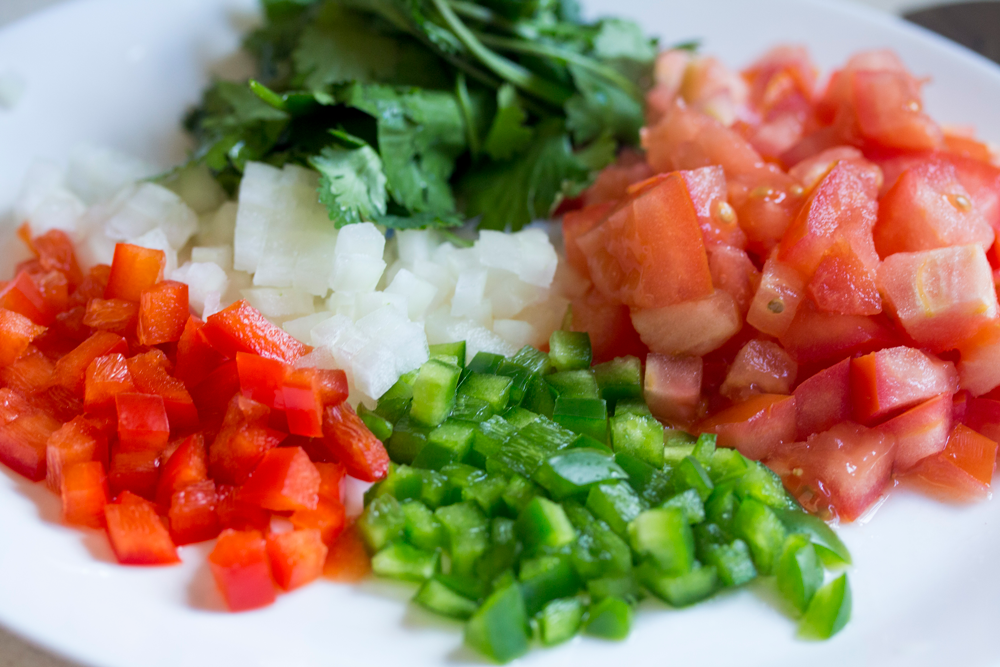
    If you’ve spent more than five minutes on the Internet in the last decade, you know you should probably be food prepping. A few hours of work once or twice a week can open up your schedule and save you valuable time and money.

    So why isn’t everyone doing it? Well, it’s true that food prepping can be intimidating. Sometimes it seems like such an undertaking that you don’t even know where to start. Don’t worry, though! We’ve broken the process down into simple steps to take some of that pressure off of you. Read on to find out how to start meal prepping like a pro!

    1. Consider your goals. Why are you food prepping? Are you trying to lose weight or reach a fitness goal? Are you trying to save money? Reduce food waste? Save time? Whatever your goal is, it will have an impact on the way you food prep, so be clear on what you want this to accomplish!

    2. Plan, plan, plan. As the old cliche goes, if you fail to plan, you plan to fail. That doesn’t mean you need to spend hours crafting spreadsheets or budgets. It simply means you shouldn’t go into this process blindly! First, pick your ideal food prep day – most people like to do it twice a week so their meals stay fresh and exciting (maybe Sunday and Wednesday nights?). Set aside a few hours to get everything done. Decide how many meals you want to make. Are you just taking lunch into work, or do you need a healthy, grab-and-go breakfast, lunch, and dinner for each day?

    Next, make a list of meals and necessary ingredients. Be smart about your food – choose hardy items that will last for a few days and reheat nicely. Consider making a few base items and mixing them up so that you don’t get bored! If, for instance, you know you love rice and chicken, but you think you’ll get bored, try adding different sauces or vegetables to a couple of your meals so that things don’t get stagnant!

    Think about cooking in bulk. This is a great time to break out the slow cooker or the Instant Pot. Curries, stews, soups – they all do well for meal prep. If you’re more into salad than hearty stews, don’t be discouraged. Strategic stacking (google mason jar salads!) and ingredient selection can make even lighter fare a possibility for multi-day storage.

    3. Gather your supplies. You can go wild buying new containers, or, if you’re meal-prepping with a financial bent, you can always reuse things you already have around the house. Check to make sure any plastic you’re using is BPA-free, and microwave, freezer, and dishwasher safe (assuming you use each of these appliances). Be creative with your containers – all you truly need is an airtight lid, and enough jars, tubs, or Tupperwares to section your food into multiple meals. Some people swear by partitioned containers made specifically for this purpose, while others do just fine with repurposed yogurt tubs. The process is easiest if your containers are all of a similar size, but beyond that, it’s all up to you and what’s best for your particular situation.

    Depending on your food prep goals, you may also want a food scale and some form of labeling.

    4. Prep! You’ve planned and prepped mentally, now it’s time to prep for real. Try to multitask to save yourself time and dishes – use aluminum foil to partition sheet pans in the oven and bake or roast two things at once, or chop your fruits and veggies while your pasta is boiling. Soon enough, you’ll be ladling meals into your neatly arranged containers like a one-person assembly line.

    5. Eat! Here’s the part where all your hard work pays off. Imagine eating a home-cooked meal for lunch at work instead of picking through a sad salad bar. Or maybe you’ve got a super busy evening – normally, you’d pick up some fast food or eat a candy bar. Now, you’ve got a healthy, budget-savvy meal ready to go in minutes! The convenience and benefits of meal prep far outweigh the few hours of planning and cooking it requires, as you’ll discover quickly.

    What Shouldn’t I Do? While it’s true that food prep isn’t as daunting as it might seem, there are places where people can go wrong. Here are a few pointers to avoid food prep disaster.

    • Don’t overdo it. It can be tempting to dive in head first, but if you try to make a full week’s worth of meals your first time around, odds are you’ll make something you don’t like, or something that can’t withstand that much time in the fridge. Start by prepping twice a week, and experiment until you know what foods you can eat forever, and what foods put you to sleep after two meals.
    • Don’t overcook your food. Remember that you’re going to be reheating these meals – nothing will turn you off of prepped food more quickly than overcooked, stringy mush.
    • Don’t ignore your freezer. If you’re making a huge casserole or lasagna, you’ll probably have more than enough for your weekly prep – freeze the rest! Even better, freeze it in individual portions. Hey! You’ve done half of your prep for next week already, too!

    There you have it! This is just a basic roadmap to food prep, but if you follow these guidelines, you’ll be well on your way to eating healthier, more cost-effective meals!

  • Eating to Stay Healthy and Active As You Get Older

    Eating to Stay Healthy and Active As You Get Older

    As we age, our bodies go through varying metabolic stages. You may remember as a child being able to eat vats of mac’n’cheese and craving sugar as if it were a food group, something that would make most adults balk, but children also have very little appreciation for subtle healthy flavors like mushrooms or baked fish. As a teenager, most people go through cycles of being hungry all the time to fuel the drastic body changes and growth spurts and picky eating as the metabolism shifts. Another major change occurs somewhere in the mid-twenties as the body settles into its adult mode, replacing the need for fats and sugars with a desire for what is classically thought of as the “well-balanced meal” of lean proteins, vegetables, and starches in quantities based on how much physical labor you do each day.

    Metabolism Slows Down

    Finally, somewhere around 50, your body begins to slow down. You have less energy to do a lot of labor and in response, your body also needs less food. This doesn’t just mean that you need to cut back on your normal portions, seniors often find that they need to completely rebalance their diets to provide more vitamins and minerals and fewer energy-fueling starches. The less energetic your lifestyle becomes, the fewer calories you will be able to ‘burn off’ with rigorous activity

    Healthy Digestion

    It’s also important to remember that what you eat has to go through your digestive system. What you eat needs to agree with your stomach and be comfortable all the way through or you’ll regret it “down the line”. This means that whatever you eat, it should contain the right balance of spices, fats, and perhaps most importantly, fiber. Fiber acts as a scrubbing agent and can clean residual food particles from your digestive tract which makes you lighter and healthier, but too much can be dangerous and uncomfortable. Therefore you want a small amount of fibrous foods like vegetables, cereals, oatmeal, and beans or lentils, with every meal.

    Don’t Forget to Exercise

    Many seniors struggle with small portions, having lived most of their lives as physically active adults with matching appetites. The good news is that you can still eat larger portions and stay healthy as long as you match those portions with physical activity. The more active you are, the more food you need and can effectively digest. This is a good time to mention that a digestive system is a machine run by the hips. Humans were made to walk everywhere and doing so is like turning the gears for your insides. If you want to eat more and feel good doing it, consider taking long walks around your neighborhood or the track of your local gym. If your hips or knees aren’t up to it, you might consider swimming or low-impact stationary biking instead. Many seniors also use an active hobby like gardening to keep their bodies moving and work up a healthy sweat a few times a week, which always makes a hearty meal more enjoyable and helps keep your muscles strong.

    Building a Healthy Diet

    So what exactly should you be eating? As a senior, it’s all about nutrition. While the food groups mattered in your middle adult years, they matter much more now. You don’t just need meat, you need a variety of lean meats to provide the right secondary mineral balances beyond the protein itself. A serving of any vegetable is no longer sufficient, now you need to ensure that all the vegetable colors and textures are included in your diet. Milk isn’t just a good idea, it’s practically necessary to help maintain your bone health, something most seniors should be worried about. As your appetite diminishes, it may be tempting to save the few calories you’ll intake only for your favorite foods, but if you don’t achieve the right nutritional balance, your body won’t reward you with the energy and self-maintenance you need for a long and happy retirement.

    The Right Proteins

    Protein is a great way to load up on energy-rich foods without adding too many calories. If you like to snack, foods that are high in protein will keep you alert and energetic all day while minimizing the risk of weight gain from traditional snack foods. Aim for lean red meat, poultry, and fish as the center of each meal, though beans, eggs, and nuts are also excellent sources of healthy protein. Fish in particular also has the right kind of fats and oils to keep you healthy without raising cholesterol.

    All the Vegetables

    Everyone has favorite vegetables and those they wouldn’t touch with a with a ten-foot fork and you’re more than welcome to maintain these preferences in your old age. However, if your favorites are a very limited list, it may be time to try a few new things. Try to include five or more servings of fruits or vegetables each day, including various colors and textures to ensure that you get the right balance of vitamins and minerals.

    Healthy Carbs

    Carbohydrates provide energy and burn cleanly as long as you’ve got the right amount of them. Make sure to eat at least a small portion of carbs with each meal and go for higher fiber options whenever available. Leave the skins on your potatoes, stick with whole wheat bread, and don’t be shy about cereals (oats and barley, not Lucky Charms) and grains.

    Finally, we know that a lot of unhealthy things are both delicious and motivating. Retiring doesn’t mean that you have to stop eating cake or salty snack foods, as long as you do so in moderation. Try to keep your empty-calorie servings down to less than once a day and in smaller portions and remember to exercise more to balance yourself out. With these helpful nutrition tips, you should be all set for a long and healthy retirement.

  • 6 Surprising Benefits of Positive Thinking

    6 Surprising Benefits of Positive Thinking

    Are you a positive person? Optimism and thinking positively can affect your life in so many ways. It makes sense that people who have a positive attitude are happier and more confident. But you may not know that there are several other ways a positive attitude can benefit and add value to your life.

    But don’t just take our word for it. Here are six ways positive thinking benefits your physical and mental health–and the scientific results to back up these claims.

    1. A Better Immune System

    A positive attitude may be able to protect you from germs, such as the common cold. A study from the University of Kentucky found that a positive attitude plays a role in immune system health. Researchers found that first-year law students’ optimistic attitudes and immune system responses corresponded. The more optimistic a student was feeling, the stronger their immune system. The less optimistic a student felt, the weaker their immune system became. One interesting thing about this study was that it observed differences in attitude and immune response within the same person. This shows that adopting a positive attitude each day can change your health, even if you have held a negative attitude in the past.

    2. Less Risk for Cardiovascular Disease

    Cardiovascular, or heart, disease is the leading cause of death for both men and women in the United States. But a good attitude could reduce your risk for this common disease. A 2015 study from the University of Illinois at Champaign-Urbana found that optimism had a strong effect on cardiovascular disease. Using data on patients ages 52 to 84, the study found that those who rated themselves as highly optimistic were more likely to have intermediate or ideal cardiovascular health, as compared to less optimistic patients.

    3. Breast Cancer Prevention

    Can having a good attitude prevent breast cancer? Yes, according to a study from Ben-Gurion University of the Negev in Israel. Researchers questioned 255 women who had been diagnosed with breast cancer, as well as 367 women without the disease. They found that past attitudes had an effect on whether the women got breast cancer or not. Head researcher Ronit Peled said, “a general feeling of happiness and optimism can play a protective role [against breast cancer]”.

    4. Increased Creativity

    Are happier people more creative? A 2010 study published in the journal Psychological Science found that participants who listened to happy music and watched a video of a laughing baby were able to better recognize a pattern. Other participants, who watched and listened to neutral and sad music and videos, did not score as well as the “happy” group. Listening to happy music or watching a video that makes you laugh are easy ways to increase your happiness and creativity each day.

    5. Better Ability to Deal with Stress

    In a review on Psychological Resilience, Positive Emotions, and Successful Adaptation to Stress in Later Life, researchers showed how a positive attitude can help seniors deal with stress, including the death of a loved one. Subjects who had a good attitude were able to adapt to stress in order to recover from it more quickly. It makes sense: Optimistic people are better able to cope with whatever happens in their lives, including negative events.

    6. A Longer Life

    Could an optimistic attitude be the secret to living a longer life? Recent research implies it could. An analysis published in the January 2017 issue of the American Journal of Epidemiology found that women with a highly optimistic attitude had a lower rate of mortality overall. The most optimistic women were 30 percent less likely to die from common diseases, such as respiratory disease, cancer, infection, and heart disease.

    Positive thinking is very powerful. Work towards increasing the positivity of your thoughts, and you can enjoy its many benefits.

  • Bringing Essential Oils into Your Life

    Bringing Essential Oils into Your Life

    Everyone is talking about the benefits of essential oils. But in order to enjoy those benefits, you need to know what essential oils are and how you can use them. Essential oils are natural oils distilled from plants. They are a highly concentrated essence of the plant and contain its fragrance as well as healing properties.

    It is important to understand the difference between pure, therapeutic grade essential oils and synthetic fragrance oils. Synthetic fragrance oils may include some essential oils, but may also include various chemicals and synthesizers, including known toxins. But even essential oils can vary in quality, due to factors such as growing conditions, harvesting distillation and storage. When choosing an essential oil, look for 100% essential oil. This means it has not been altered, diluted, or combined with another substance.

    Beyond the fact that they smell wonderful, different essential oils have different theraputic qualities, so do your research.  Once you have chosen one or more essential oils, how are you going to use them? The possibilities are endless and differ from one person to the next. Here are some great ideas to get you started.

    Morning Routine

    Make a refreshing mouthwash by mixing 1/2 cup of water with two teaspoons of baking soda and 4-6 drops of essential oil, such as spearmint, peppermint, lemon or grapefruit. You can also put a drop of your essential oil on your finger and thumb, then run your dental floss through it before flossing.

    Get your day off to a nice, toxin-free start by making your own natural deodorant. Start by melting three tablesppons of coconut oil and two tablespoons of shea or cacao butter. Stir in three tablespoons of baking soda and twenty drops of essential oil. Try lavender, geranium, lemon or lime. Store in a glass jar.

    Skincare

    It is easy to add a few drops of your favorite essential oil to your skin cleansers, creams and other skin care products. A non-greasy carrier oil, such as jojoba or apricot kernel, leaves your skin healthy and glowing. Try lavender or thyme for sensitive or acne-prone skin. To get really relaxed, get a message. Start with almond or sesame as a base oil and add a sensual or soothing scent, such as chamomile, ylang ylang, or neroli.When trying for the first time, it is a good idea to try a small amount of the oil on your skin.

    Bath

    For a relaxing bath, add a few drops of your favorite essential oil. You can also make your own scrubs. Take one cup of salt or brown sugar, cover it with sesame, apricot kernel or almond oils (cover to about 1/4 inch) and add your essential oils. It’s fun to make in small batches and experiment with your own essential oil blends.

    Diffusion

    Diffusion distributes molecules of essential oil into the air, so that you can inhale it. There are many kinds of diffusers on the market, from inexpensive lamp rings to electric or ultrasound models. Nebulizers breaksdown the essential oils into tiny particles and uses a high velocity, pressurized air stream to disburse it. You can also use simple methods such as opening the bottle and breathing, or putting a few drops in your hand, rubbing your  hands together, then breathing in the aroma

    Around the house

    Add a few drops of lavender or other essential oil to your laundry load. Your clothes and your bed linens will smell deliciously clean and fresh. To keep the scent going, you can make your own sachets for your closet and dresser. Make a few extra for gifts, using real lavender buds (available online) and a pretty bag.

    Take charge of your wellness. Start using essential oils today.